Bringing Buddhism into Daily Life: Listen, Reflect and Practise
Bringing Buddhism into Daily Life: Listen, Reflect and Practise
Bringing Buddhism into daily life does not mean putting work aside. It means meeting conversations, decisions, stress, and relationships with greater awareness, compassion, and wisdom. A practical path follows three stages: listen to reliable teachings, reflect on how they relate to your own experience, and turn that understanding into actions you can practise each day.
What do listening, reflection, and practice mean?
Listening builds sound understanding through classes, teachings, or reading. Reflection examines the teachings against experience and helps us notice our habits. Practice brings understanding into body, speech, and mind, gradually changing our responses. These stages support one another: without reflection, learning can remain superficial; without action, insight may not change daily life.
How can we learn the Dharma amid a busy life in Hong Kong?
Learning need not always take a long time. Listen to a structured lesson while travelling, attend an online class once a week, or read a short passage from a reliable source each day. Writing down one sentence that resonates after a lesson is already a move from listening to reflection.
Reflection is not overthinking
In the Dharma, reflection means testing teachings against your experience. For example:
• Why do I become irritated as soon as plans change?
• When criticised, am I protecting my dignity or clinging to my own view?
• Did my words today comfort or hurt someone?
• Is the happiness I seek lasting?
These questions are not for self-blame. They help us see conditions, emotions, and habits more honestly.
Five everyday practices you can begin now
1. Set an intention for three minutes each morning. Breathe quietly after waking and remind yourself to avoid harming others and to help where you can.
2. Pause before replying. If a message makes you angry, take three breaths before deciding how to respond. That brief pause brings awareness into speech.
3. Treat work as an opportunity to train the mind. Notice impatience with complicated tasks; practise listening when working with someone who disagrees. The work may not change, but your way of meeting it can.
4. Do one kind act without expecting a reward. Answer patiently, offer your seat, care for family, or give appropriately. What matters is a sincere intention, not praise.
5. Review your day before bed. Rejoice in wholesome thoughts and actions. Honestly acknowledge what could improve, and resolve to begin again tomorrow.
How can we practise when emotions arise?
Practice is not about forcing yourself to have no emotions. When anger, anxiety, or hurt appears, first acknowledge that you feel uncomfortable. Notice your body and breathing. Avoid harmful decisions until you are steadier, then examine the situation. If difficult emotions seriously affect your life over time, seek suitable professional support. Dharma practice and professional help can work together.
Frequently asked questions
What if work is too busy for a fixed practice time?
Start with three to five minutes a day and link it to an existing habit, such as waking or going to bed. Establish a rhythm before adding more time.
If I still lose my temper, does that mean I have not improved?
Noticing anger earlier than before is progress. Look not only at whether anger arose, but also at how quickly you settled and whether you were willing to make amends.
Do I need a shrine to practise at home?
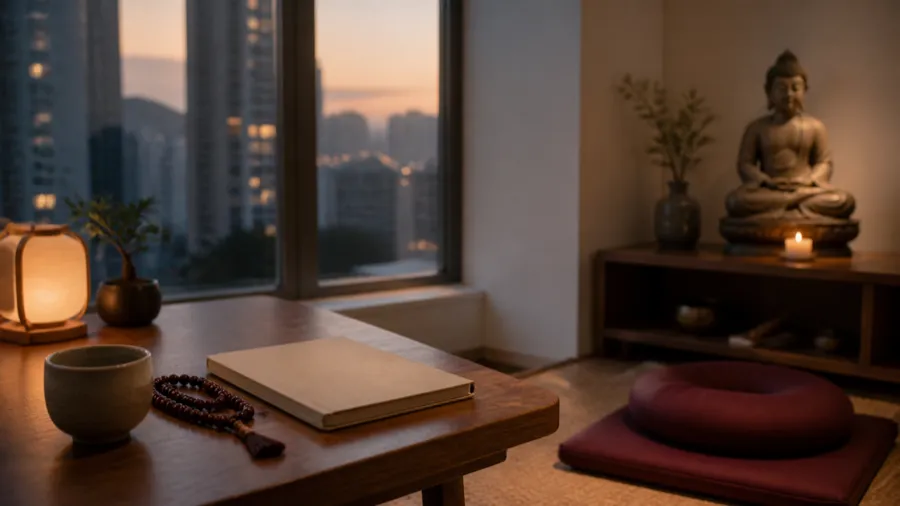
A clean, quiet space helps concentration, but intention, right understanding, and steady practice matter most. Arrange your space according to your circumstances.
How do I know whether my practice is on the right track?
Notice whether you cause less harm, show more compassion, and become more willing to acknowledge mistakes. Consult an experienced teacher regularly.
Begin today
Choose one manageable exercise and practise it for seven days. Do not try to change every habit at once. When listening brings understanding, reflection brings clarity, and practice brings change, the Dharma becomes part of life beyond the classroom.
For progressive study, look out for Ngagyur Dragmar Wangchen Ling's introductory Buddhist classes, online courses, and latest events.
