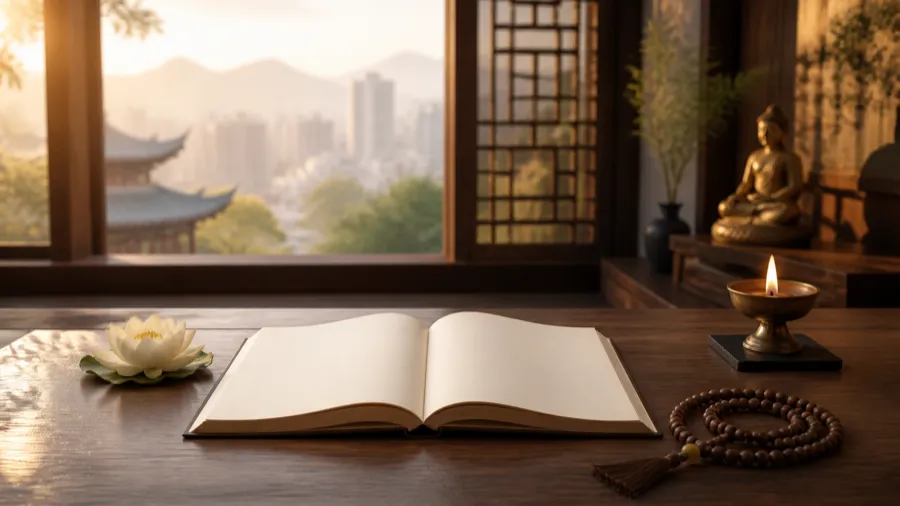
Buddhism for Beginners: How to Start Learning and Practising
Buddhism for Beginners: How to Start Learning and Practising
You do not need to master extensive scriptures or complex rituals when you first encounter Buddhism. A steady starting point is to learn how the Dharma helps us understand ourselves and ease suffering, then bring simple, consistent practices into daily life. Five to ten minutes a day of listening to teachings, sitting quietly, reciting, or reflecting can be a meaningful beginning.
Where should a beginner start?
Begin with three foundations: listen to reliable teachings, reflect on what they mean in everyday life, and choose one simple practice you can sustain. Progress is not a race. The aim is for understanding, intention, and conduct to gradually align.
Step 1: Learn by listening
Listening means receiving and studying the teachings. An introductory class, online course, or Dharma talk can help you explore karma, compassion, wisdom, impermanence, and bodhicitta. Ask an experienced teacher when something is unclear, rather than relying on isolated online clips alone.
Step 2: Reflect in daily life
Reflection means observing and understanding. When learning about impermanence, for example, notice why change makes you anxious. When learning about compassion, notice whether your words help others feel at ease. The Dharma is not a theory apart from life; it helps us see our thoughts, emotions, and actions more clearly.
Step 3: Choose a simple, sustainable practice
A beginner might start with one of the following:
• Sit quietly for five minutes each day, noticing the breath and present experience.
• Read a short passage of Dharma teaching each day and note one insight.
• Pause before speaking to avoid hurting someone impulsively.
• Recite a familiar Buddha's name or mantra and dedicate the merit with a kind aspiration.
• Attend a structured Buddhist class once a week.
Practice does not have to be long. Regularity matters more than quantity. For practices involving particular empowerments, rituals, or Vajrayana methods, follow the guidance of a qualified teacher rather than attempting them from online material alone.
How can beginners in Hong Kong choose a Buddhist course?
Look for clear, progressive content, a teacher who values right understanding and practice, and opportunities for questions and continued learning. Online classes can suit people with irregular schedules or longer journeys; in-person classes make direct exchange easier. The two can complement each other.
Frequently asked questions
Do I need to take refuge before studying Buddhism?
Introductory Buddhist courses generally welcome people who have not taken refuge. You can learn first and decide in your own time.
How long should I practise each day?
Start with five to ten minutes. Consistency is more useful than a long session once in a while.
Do strong emotions mean I am unsuited to practice?
No. Noticing your emotions and habits is itself a beginning. Rather than blaming yourself, learn to be aware and gradually change how you respond.
Is watching online videos enough?
Videos can be an introduction, but a structured course and teacher's guidance reduce misunderstandings and support fuller learning.
One small exercise to begin today
Before bed tonight, spend three minutes recalling your day: When did you feel most unsettled? How did you respond? Could you bring a little more patience or compassion tomorrow? Write down a brief answer for seven days and you may begin to notice your patterns.
For structured study, look out for the introductory classes and online courses offered by Ngagyur Dragmar Wangchen Ling. Please check the website for current course details, formats, and schedules.
